
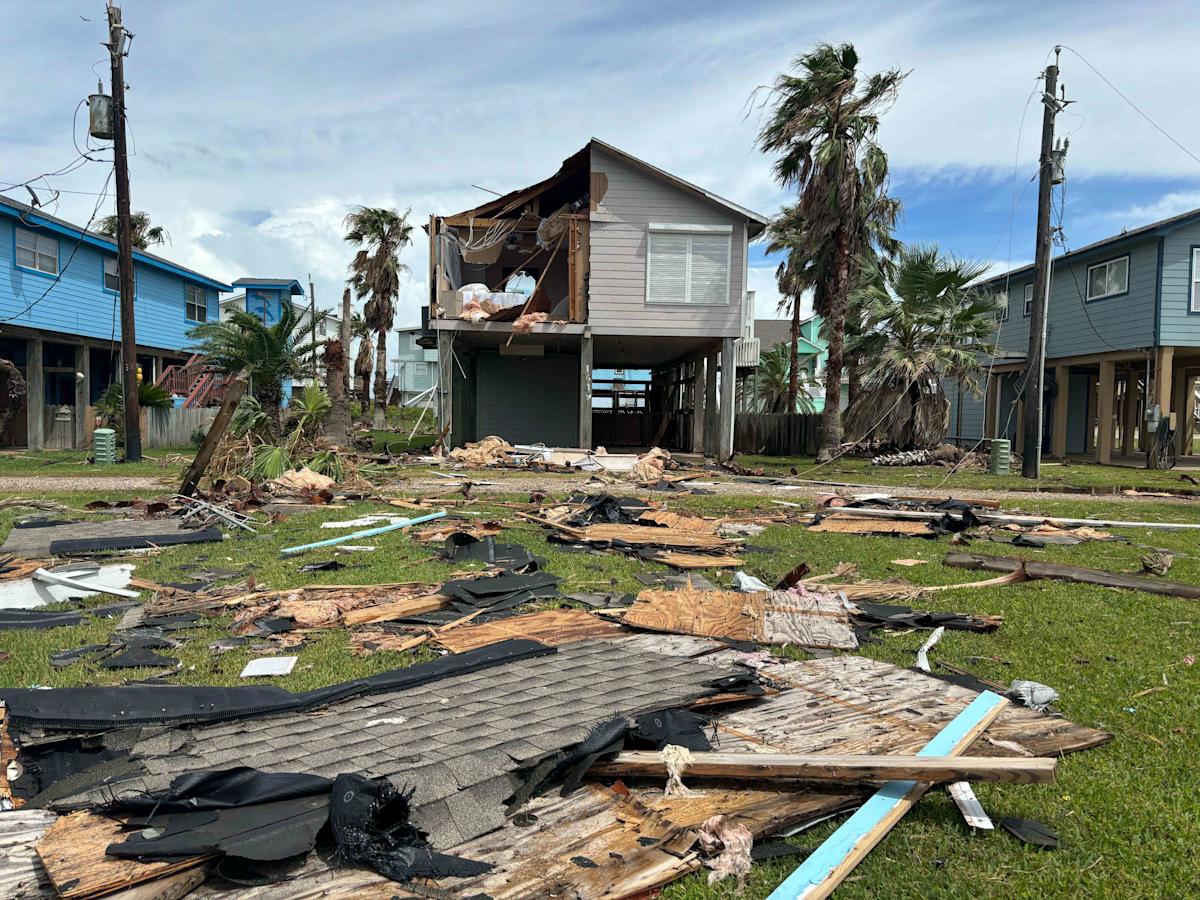

How Extreme Weather Could Impact Your Retirement Savings: Are You Prepared?

The Washington Post / Contributor / Getty Images
-
One-in-four Americans said in recent survey that loss of insurance, risks of rising costs, or damages due to natural disasters were among the top risks for their retirement incomes.
-
More than half (56%) have anxiety about how extreme weather could affect their finances or health, but only 10% of those have discussed the concerns with a financial professional, according to the survey from Allianz Life.
-
Only slightly more than third (36%) of the respondents who have faced extreme weather events have taken into consideration the implications of extreme weather in their retirement planning.
One-in-four Americans ranked risks of rising costs, loss of insurance, or damages due to extreme weather as one of the top three risks to their retirement income, but relatively few have a plan in place to face that challenge, a new study shows.
A survey from Allianz Life, an insurance and annuities provider, found that 56% of people said they had anxiety about rising costs, financial losses, or health effects from extreme weather events or natural disasters. However, only 10% of those respondents said they had discussed the concerns with a financial professional.
“Extreme weather has the potential to erode wealth just like other risks to a retirement strategy like inflation and increasing medical costs,” said Lorinda Niemeyer, head of sustainability, Allianz Life.
Climate change as a risk to retirement savings is right up there next to concerns over taxes, debt, or caregiving responsibilities, according to the survey.
However, even among people who have had their finances affected by extreme weather events, only slightly more than a third (36%) have factored in the impact of extreme weather or natural disasters into their retirement planning, the study showed.
Peter Krull, a partner and director at Earth Equity Advisor, said people typically resist any action till climate change affects them, “but we’re starting to see that it’s impacting more and more people.”
Experts recommend keeping extra cash in their emergency fund when preparing for natural disasters and extreme weather events.
Justin Haywood, a CFP and president of Haywood Wealth Management, notes that residents of the Gulf Coast who are affected by tropical storms and hurricanes may need to keep extra cash to prepare for unexpected expenses they may incur if they need to evacuate in an emergency.
“If you need to spend a few thousand dollars on a hotel room because you evacuated, you want to have cash on hand and not have to raid your retirement fund,” says Haywood.
Leave a Comment
Your email address will not be published. Required fields are marked *