
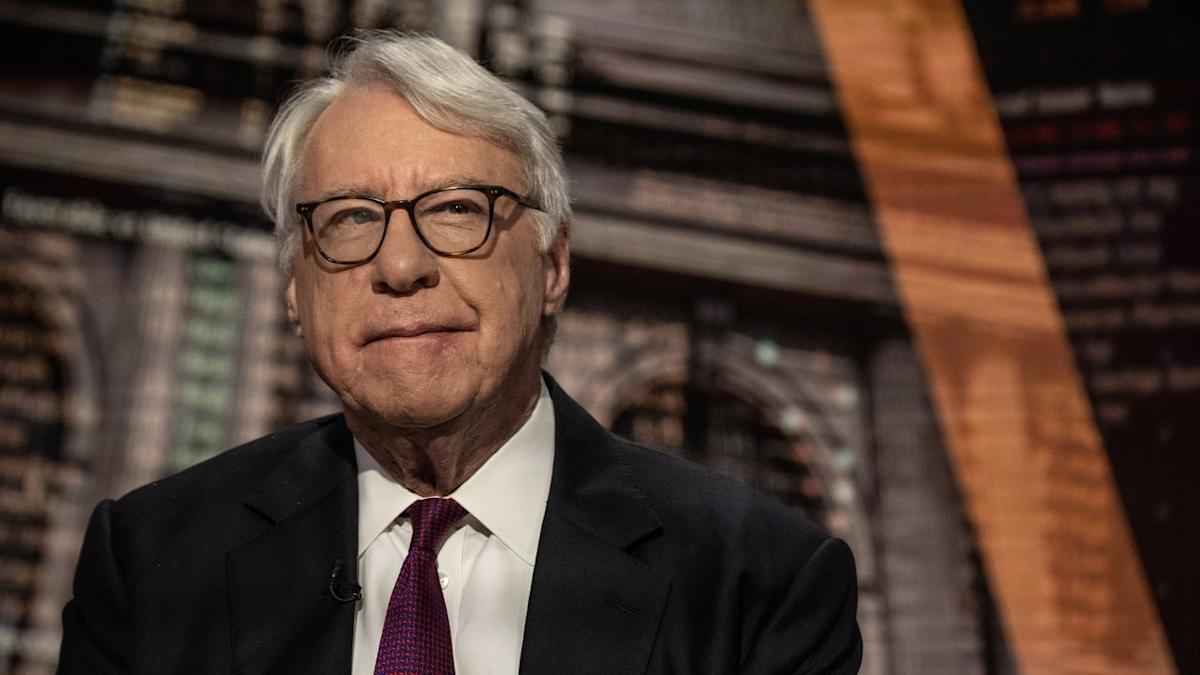

Enron short-seller Jim Chanos warns on Nvidia, AI bubble
The S&P 500 has gained almost 5% over the last five trading days. That steep rise looks the more significant when you consider that the index is up about 17% so far this year. Now investors are asking: Will the Santa rally show up next?
Seasonal patterns suggest that December is usually one of the best-performing months for stocks. But — as the old saying goes — past performance is no guarantee of future returns. Experts warn that this year’s scenario differs from the usual playbook, with a possible December interest rate cut on the table and growing fears of Nvidia-linked corporate debt.
Rate-cut expectations have been volatile heading into next week’s Federal Reserve meeting, and traders have swung in recent weeks between AI-boom euphoria and AI-boom anxiety.
Prediction markets strongly favor the odds of a rate cut, with 88% of traders foreseeing a cut of 25 basis points. It’s typically the case that markets rise ahead of such strongly predicted cuts.
Still, as of Monday morning, futures looked set to open deep in the red. S&P 500 futures ticked down about 0.8%, while Dow futures nosed down 0.5%, and the Nasdaq dropped about 1% heading into the bell. Small cap stocks were faring worst of all, with futures pointing to an open over 1% down. Volatility also charted steeply higher, with the VIX rising over 11%.
Meanwhile, Nvidia — long the AI boom’s gravitational center — faces a different kind of year-end test. Short-seller Jim Chanos, most famous for his prescient Enron call in the early 2000s, is warning that the booming market for GPU-backed loans has created a risky new corner of the debt market.
Loss-making “neocloud” firms have piled up tens of billions in debt secured by Nvidia chips, Chanos points out, though many of these same firms currently have no clear path to profitability. If those assets depreciate faster than expected, he argues, “there’s going to be debt defaults.”
At the same time, consumer spending appears, at once, both strong and fragile. New York Times reporting suggests that Black Friday spending smashed expectations, with sales up some 10% from last year, according to various measures, and in-store activity also modestly higher.
Despite a macro environment characterized by tariff uncertainty and inflation, American shoppers showed up for steep discounts, particularly at value-oriented retailers already benefitting from this year’s thriftier patterns, namely Walmart. Retail analysts say the early surge doesn’t guarantee a strong season, however.
“Retailers seem to have had a successful start to the season, but there are still 28 days to Christmas and the season is rarely won on Black Friday and Cyber Monday,” Michael Brown, a Kearney partner and U.S. retail expert, told The Times.
Leave a Comment
Your email address will not be published. Required fields are marked *