
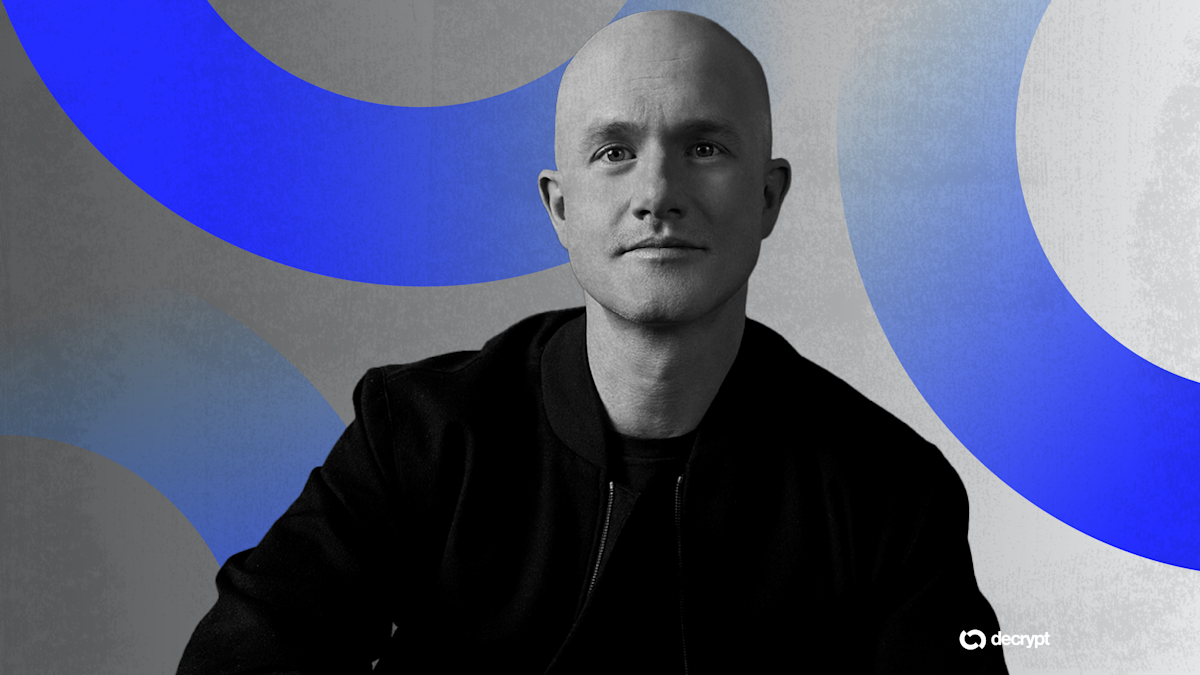

Crypto Is Edging Further Into Mainstream Finance, BlackRock and Coinbase Chiefs Say
BlackRock CEO Larry Fink and Coinbase CEO Brian Armstrong said Wednesday that growing interest from institutions and lawmakers was pulling digital assets further into the mainstream of finance.
Speaking at the New York Times DealBook Summit with host and journalist Andrew Ross Sorkin, Armstrong said recent moves on stablecoin and market-structure legislation signalled a shift in the policy landscape.
“2025 is actually the year that crypto regulation went from kind of gray market to well-lit establishment,” he said. “The Genius Act passed, the House passed a market-structure bill in a bipartisan way that’s now moving on to the Senate, and I think that’s going to be the first one where the Senate passes it as well.”
Armstrong criticized federal policy under the previous Biden Administration, saying it “unlawfully tried to kill this industry, which pushed a lot of activity offshore and hurt consumers.”
“That’s why we’ve supported groups like Fairshake,” he said, referring to the crypto-focused SuperPAC. “Because 52 million Americans who have used crypto want to see clear rules on the books. All of our political spending is transparent.”
During the 2024 U.S. election season, Fairshake raised over $78 million to support pro-crypto candidates, with eyes on the 2026 mid-term elections.
When asked how he viewed past criticisms of Bitcoin by Warren Buffett and the late Charlie Munger, who had called it “nothing,” “rat poison,” likened it to a “venereal disease,” and predicted it would go to zero.
Armstrong said there was “no chance” of that happening at this point.”
Coinbase C-Suite, Marc Andreessen Sued for Billions Over Alleged Insider Trading Scheme
“For Charlie and Warren, they grew up in an era of American preeminence, where the dollar was everything, and you didn’t question it,” he said. “Bitcoin is this new digital gold, and people go to it in times of uncertainty. So it’s tough for them to contemplate a world that is more decentralized and running on the internet.”
During the interview, Fink spoke about how conversations with clients influenced his change of heart and the way he now approaches Bitcoin after calling it “an index for money laundering in the past.
“I see a big, large use case for Bitcoin, and I still do today,” he said. “In my role, I see thousands of clients a year. I meet with governmental leaders, and we have conversations that evolve my thinking. This is a very public example of a big shift in my opinion.”
Fink went on to say that while he sees a strong case for Bitcoin, he still sees it as “an asset of fear” in times of uncertainty.
Leave a Comment
Your email address will not be published. Required fields are marked *