
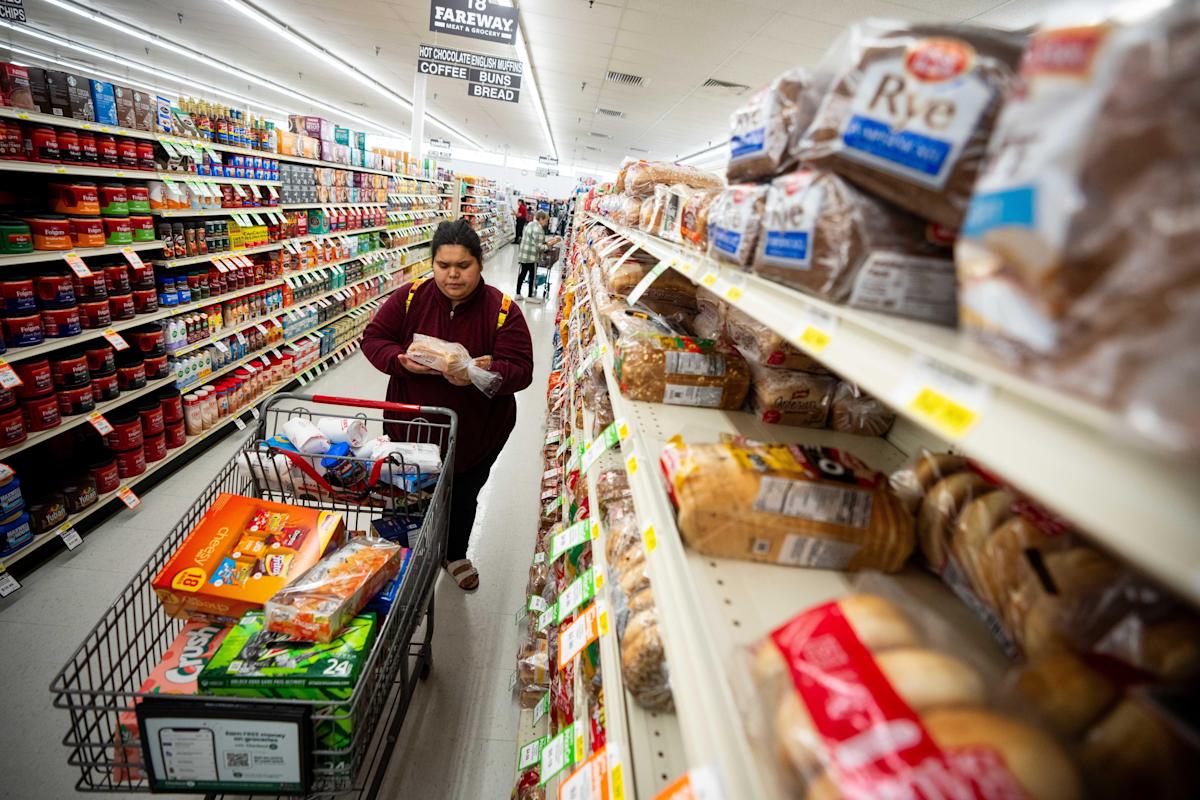

Inflation may surge again thanks to the tax-law giveaways
Will President Donald Trump‘s massive tax law passed in July turn out to be more sweeping than policymakers expected?
The legislation, which GOP leaders dubbed the “One Big Beautiful Bill,” contains giveaways so generous that they may reignite inflation, many economists and strategists believe. What’s more, they’ll hit consumer pocketbooks early next year, making the path for the Federal Reserve and the economy a bit bumpy.
Because the law makes tax changes retroactive through 2025, some analysts are expecting what JP Morgan Asset Management is calling a “refund surge.” The group’s chief global strategist, David Kelly, wrote in late August that the IRS thinks “far too much money will have been withheld from taxpayers and refunds will surge in early 2026.”
Kelly and his team reckon that the IRS will send an average refund of $3,278 to 104 million taxpayers – but both the number of taxpayers and the average refund payment could be even higher.
That “should boost consumer spending in a similar way to pandemic stimulus checks,” Kelly wrote, though since they will benefit higher-income consumers more, they may not be spent quite as quickly as the pandemic stimulus, which largely benefitted middle- and lower-wage workers.
More: Does the U.S. have a ‘K-shaped economy’? What it means for you.
Earlier coverage: Larger tax refunds in 2026 expected, thanks to Trump tax law and IRS delay
“There will be some additional fiscal jolt,” said David Kotok, co-founder of Sarasota, Florida-based Cumberland Advisors, which has $3.3 billion in assets. The combination of more money juicing consumption and still-easy monetary policy will cause inflation to pick up, Kotok told USA TODAY. “We’re going to be boosting prices with pressure on a central bank to lower interest rates at the wrong time,” he said.
Traders overwhelmingly expect the Fed to cut interest rates by another quarter percentage point when it meets in mid-December, according to the CME FedWatch tool. Meanwhile, experts of all sorts, from investment managers and economists to policymakers and social scientists, continue to debate the impact of drama from Washington, including shock-and-awe policies like detentions and mass firings, on everyday Americans.
“Yes, I’m worried about the economy,” Kotok said. “I don’t expect inflation to subside, roll over, and go down to some very low level. I do expect economic shocks out of an economy that is being shocked daily.”

But Ed Al-Hussainy, a portfolio manager at Columbia Threadneedle Investments, believes the concerns about fragile American consumers are overblown.
Leave a Comment
Your email address will not be published. Required fields are marked *