High streets emerge as the biggest losers of Reeves’s shock property tax shake-up
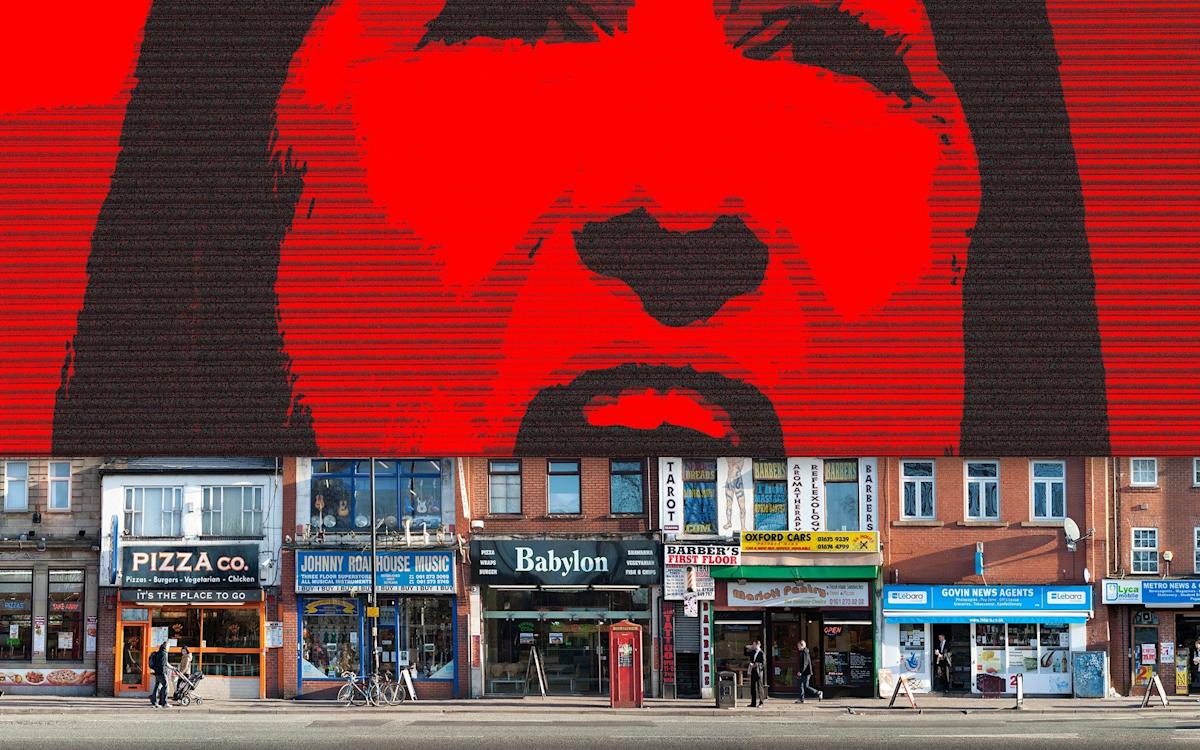
Rachel Reeves high street illo
When retail boss John Jones heard Rachel Reeves deliver her Budget last week, he was pleasantly surprised by the Chancellor’s upbeat tone.
Around 750,000 small stores, pubs, restaurants and bars would be better off from her changes to business rates, she suggested, which was music to the ears of retail chiefs like Jones who have faced an annus horribilis after the previous Budget.
“She was speaking about supporting the high street, and so my first thought was, ‘This sounds alright’,” says Jones, who runs his family department store Philip Morris & Sons.
But by the evening he was feeling noticeably less cheery.
The Chancellor’s shake-up of business rates had left his family’s department store facing a sharp rise in its property tax bill.
Across its three sites, the department store’s business rates bill will rise by 45pc to the highest level it has ever been. “It’s not exactly support for the high street,” says Jones.
Up and down the country, business chiefs have spent the past few days reeling from the Chancellor’s business rates shake-up, which had promised to level the playing field “between the high street and online giants” but has stealthily delivered a hammer blow to small firms.
In a nutshell, changing how property bills were calculated was supposed to save the high street. The current system was accused of making it more attractive to run an online store, so the Government proposed a new calculation.
According to tax firm Ryan, the overhaul will pile more pressure on high street businesses, while offering tax cuts to obscure properties including windmills, public telephone boxes and ATMs.
Around 3,480 retail properties will pay an extra £112m in rates from April, according to Ryan’s analysis, both because the sites have gone up in so-called “rateable value” and also because Covid business rates relief has been cut.
The Treasury claims that it has offset this by setting a lower multiplier, with the overall tax rate down.
But the British Independent Retailers Association (Bira) estimates that, even with transitional reliefs and the Government’s new lower “multipliers” used to calculate business rates, a typical independent retailer will see their bill rise by 15pc next year.
Other high street businesses are facing similar pressure.
According to Ryan, around 5,370 retail, leisure and hospitality premises are in line to pay £182m extra in business rates from next year. Hotels, holiday parks and music venues are also expected to be the biggest losers from the changes.
Shaun Whitehouse, a hotelier who runs the Lanes Hotel in Yeovil, said many in his industry feel they have been misled by Reeves.
“The Chancellor presented the changes as something positive but once you read the detail it becomes clear that it’s anything but,” he said.
“Most of us are on the brink. There are business owners who say they didn’t know if they had weeks or even days left. What’s really sad is that many people have now accepted there is no future for their businesses – and it is entirely down to taxation.”
Whitbread, which owns the Premier Inn chain, last week said it was bracing for a £50m hit to annual profits. Dominic Paul, chief executive, said he was “extremely disappointed” with the Budget.
Clive Watson, the boss of the City Pub Company, also said pubs and restaurants have been “shafted by this Government with their tax-grabbing measures”.
Even though the Government is reducing the “multiplier” to determine business rates, the decision to remove Covid reliefs for the sector means that City Pub Company’s business rates bills will rise by 30pc in the next three years.
But the impact of Ms Reeves’s shake-up is not confined to large employers like Whitbread or City Pub either.
Maurice Abboudi, who runs Japanese takeaway chain K10 Restaurants in London, said his group will be paying an additional £40,000 in business rates from next year – taking its total rates bill to £180,000 on revenues of just £4m.
“The result is stagnation,” he says, adding that K10 Restaurants will be unable to expand because of the higher costs.
Roxanne Marjoram, from restaurants and pubs owner Gusto Pronto, also said her business is facing an increase of around £110,700 on its rates bill – a 39pc rise on last year.
“I am not sure I have ever felt this angry or so let down,” Marjoram added.
The Treasury says it is “protecting pubs, restaurants and cafes with the Budget’s £4.3bn support package – capping bill rises so a typical independent pub will pay around £4,800 less next year than they otherwise would have”.
And it is not only the high street where the Budget has caused ripples of anger.
According to Ryan, airports are also in the firing line. Heathrow and Gatwick expected to see their rates bills more than double within three years.
Heathrow’s bill will rise to £240m in three years’ time, while Gatwick’s bill is expected to surpass £80m by the 2028-29 financial year.
Manchester Airports Group on Monday said increases of more than 100pc in its business rates meant it would have to “look again at our plans to invest more than £2bn in our airports across the UK over the next five years”.
Yet, the business rates changes have not been bad news for all businesses.
Where there have been losers from Reeves’ shake-up, others have emerged as winners – although they have notably been keeping their heads down in the aftermath of the Budget.
Alongside museums and art galleries, creative sectors are looking at a boost from the changes.
Simon Berkley, a partner at Knight Frank says film and TV studios are “clear winners in the Budget”.
Not only did the so-called “rateable values” of film and TV studio sites go down by 27pc, but the Government also extended the previously awarded 40pc rates relief for the sector.
Berkley says it is worth remembering that this follows previous business rates increases, meaning that bills “remain significantly higher for the sector than they have been historically”.
Meanwhile, while frustration is rife across most retailers, there is one pocket where bosses are feeling quietly relieved.
After months of lobbying and warning over higher grocery bills, supermarket bosses appear set to escape the worst of the business rates rise.
Analysis by Bira suggests that a grocery superstore will pay around £70,000 less in business rates because the value of their property is not rising as sharply as smaller retailers.
One grocery insider said they were still “crunching the numbers”, but that they were unlikely to be paying more in business rates for large superstores.
For business chiefs like Jones from Philip Morris & Sons, it is this which is particularly “galling”.
“The Government implied that the big retailers were going to be paying a premium to subsidise smaller independents on the high street, and that’s simply not happening,” he says.
In his view, it simply does not feel like Labour is “levelling the playing field”.
“I guess you could say Reeves has caved to the big players and left the smaller ones very much stranded.”



Leave a Comment
Your email address will not be published. Required fields are marked *