It’s hard to believe, but demand for GLP-1 weight loss drugs is almost certain to explode in 2026 even more so than this year, as the first pill versions hit the market and prices start coming down.
Other drivers of demand next year will include first-time coverage of the obesity drugs by Medicare and Medicaid, the medicines’ effectiveness in treating a growing number of diseases, and patent expirations overseas. Biospace projects that global GLP-1 sales will reach $140.79 billion by 2030, from $62.86 this year and $53.5 billion in 2024 — a compound annual growth rate of 17%, compared with 6% for the overall pharma industry.
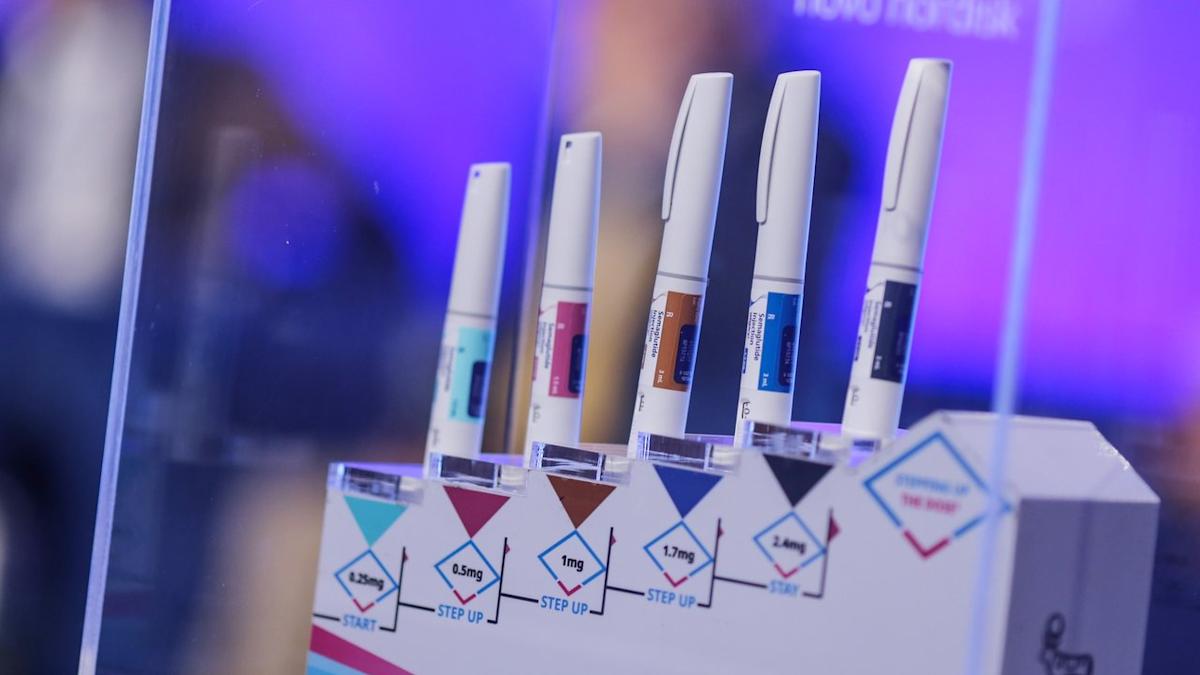
Currently, Novo Nordisk’s Ozempic and Wegovy and Eli Lilly’s Zepbound and Mounjaro are only available as once-a-week injectables and carry a list price of about $1,000 per month. The FDA is widely expected to approve a daily pill version of Ozempic by the end of this year, while Lilly’s oral version could win FDA approval in the spring. The drugs all work by suppressing a hormone that controls appetite.
The highly anticipated pills are sure to cost less than the injectables and will be easier to manufacture, so they’re unlikely to run into the same supply constraints that hit Lilly and Novo Nordisk in the past. The two companies reached a deal with the Trump administration in November to lower the price of their injectable versions for Medicare and Medicaid patients, and to offer their GLP-1 pills, once approved, for $149 for the lowest dose on the TrumpRx website.
In exchange, the two companies will gain access to the more than 130 million people enrolled in the two government programs, which currently do not cover the drugs for obesity alone. Since the reduced Medicare and Medicaid prices are only 20% to 35% less than what many private insurers have already negotiated, analysts expect that the increased volume will more than make up for the lower prices.
Eric Topol, MD, director of Scripps Research Translational Institute and a self-confessed long-time critic of the pharmaceutical industry, acknowledges that he has found little to criticize about this new generation of weight loss drugs: “I never thought we’d see a class of drugs like this”— effective, with minimal side effects, and potentially able to treat a broad range diseases, irrespective of weight loss.
In 2024, Wegovy was approved for the prevention of heart attacks and other cardiovascular events in people with obesity, and Zepbound became the first drug approved for the treatment of sleep apnea. Recent clinical trial results indicate that the drugs may be effective against kidney and liver diseases, uterine fibroids, colon cancer, menopause symptoms, and addictive behaviors. “Everywhere you look you can see that their potential benefits go well beyond diabetes and obesity.” Topol said. “There’s never been a drug with this range of action.”
Medical experts had hoped that the GLP-1 drugs could be effective in delaying or alleviating Alzheimer’s disease, the holy grail of medical research. But in late November Novo Nordisk announced that two large clinical trials of the active semaglutide, the active ingredient in Ozempic, failed to show a that it can slow cognitive decline in patients with mild Alzheimer’s. The trials had always been a long shot, experts said,
Nevertheless, the demand for GLP-1 drugs already seems insatiable, without the added indications. Lilly’s tirzepatide was only approved in 2022 for type 2 diabetes, under the brand name Mounjaro, and a year later for obesity as Zepbound. Yet, in the 2025 third quarter tirzepatide surpassed Merck’s Keytruda cancer drug to become the world’s bestselling prescription medicine, taking in $10.1 billion in sales for the three month period. It took Keytruda nine years to reach the number-one spot.
Lilly now has a market capitalization of almost $1 billion, more than double that of Johnson & Johnson, its next-closest pharmaceutical rival. Lilly CEO David Ricks said in a recent interview that GLP-1 drugs “are driving 80% of the market cap of the company.” He added, “We are early in the cycle of this invention,” indicating a lot of upside potential.
The potential market is huge. The World Obesity Federation estimates that two-fifths of the world’s adults are overweight or obese. In the U.S. alone, where two-thirds of GLP-1 drugs are sold, almost 40% of adults are defined as obese. A November survey by KFF found that one in five U.S. adults say they have tried a GLP-1 drug, while 12% are currently taking one, a 6 percentage point increase from 18 months ago.
This high level of uptake is happening even though many insurance plans do not cover the full cost of the drug, if at all. Over half the respondents to the KFF survey said the drugs were difficult to afford and a quarter reported paying the whole cost themselves.
The pill versions should help with affordability, although they won’t be as effective as the shots. In clinical trials Novo Nordisk’s pill produced an average weight loss after one year of 16.6% while Lilly’s pill produced a 12.4% weight loss, compared with a 16-23% weight loss for the injectable versions. Both companies and most market analysts are betting that the convenience factor will outweigh efficacy.
In an August note, Goldman Sachs forecast that the daily oral pills will capture 24% of the global weight loss drug market by 2030. But Lilly and Novo Nordisk may not dominate that space for long. In November, Pfizer beat out Nordisk in a fierce bidding war and paid $7 billion for Metsera, a biotech firm developing several next-generation obesity treatments. “By acquiring Metsera, we are directing our resources toward one of the most impactful and high-growth therapeutic areas and positioning ourselves to define it,” Pfizer CEO Albert Bourla said in a statement.
A review by market researcher Ozmosi determined that there are 39 GLP-1 drugs in clinical trials from 34 companies, of which only seven are among the top 20 biopharma makers. “Many of these emerging players are based in China, indicating a potential shift in market dynamics unless major licensing or acquisition deals occur,” Ozmosi researchers said.
Meanwhile, patent protections for semaglutide, the active ingredient in Ozempic and Wegovy, will expire in a number of countries next year, including China, India, Brazil, and Canada, opening the door to lower-cost generics. In July, the CEO of Dr Reddy’s Laboratories, based in India, said the company plans to launch a generic version of Wegovy in 87 countries next year.
In the U.S., Novo Nordisk loses patent protection for semaglutide in 2031, while Lilly’s patent on tirzepatide expires in 2036.
Cheaper generic versions should help to extend one of the more promising trend lines to emerge from the weight-loss drug revolution. The most recent Gallup National Health and Well-Being Index found that the U.S. adult obesity rate is finally declining, from a peak of 39.9% in 2022 to 37% now. The decline, Gallup said, correlates with increased use of GLP-1 drugs.


Leave a Comment
Your email address will not be published. Required fields are marked *